Table of Contents
Whether you're in talk therapy, pairs treatment, or specialized injury therapy, you're probably asking the million-dollar question: You're not alone. Progression in therapy isn't always as noticeable.
She has actually been in and out of treatment for several years and sees it as important to growth. Your therapist listens without evaluating you, and you feel risk-free sharing your thoughts and feelings without keeping back. They keep in mind information from your previous sessionsnot just the big points but the individual details that matter to you.
Your therapist gets all components of who you are, including your culture, household dynamics, and personal history. They comprehend how these things shape what you undergo and the difficulties you face. Trust and safety are the foundation of reliable treatment. The bond between you and your therapist (therapeutic alliance) is one of the best methods to anticipate if therapy will certainly help you expand.
Generating Enduring Change Through Counseling
This appears when you question adverse ideas in genuine time or recognize triggers before they totally wreck your day. Your unseen areas, or the duplicated patterns of assuming or behaving that you couldn't see before, are lastly entering into emphasis. Maybe you're recognizing you constantly think the worst will certainly occur when you're stressed out, or you're starting to discover exactly how your state of mind shifts when you haven't eaten.

, whether that's establishing far better borders, minimizing stress and anxiety, or improving interaction skills. Also tiny steps count. Progression may look like finally saying no to added work tasks, talking up in a conference when you differ, or managing to have a difficult discussion without closing down.
Establishing Real Shifts Through Counseling
For instance, you really did not examine your ex lover's social media sites, overexplain on your own to your moms and dads, or really did not immediately apologize when another person was clearly wrong. You're beginning to believe that modification is possible and that your present struggles do not have to last forever. You can picture a future that looks different from your today, and you're believing brand-new thoughts.
This change from feeling caught by your conditions to working toward modification is a significant innovation. While therapy frequently starts by aiding reduce challenging signs, it eventually helps you build the relationships and life experiences you really desire.
Why Expert Self Esteem Therapy Creates Change
You leave sessions with understandings or techniques instead of feeling totally shed. "You understand it when you really feel both secure AND a little tested. Like you don't need to over-explain yourself, and you're not being judgedbut you're likewise not simply airing vent right into a void or just grumbling like you're talking with a good friend," claims Cheryl Groskopf, LMFT, LPCC.Some treatment sessions can be emotionally demanding, like how a good exercise can leave you physically tired however more powerful.
However this doesn't indicate something is wrong, but instead you're doing crucial job. The difference is that you really feel supported throughout the process and trust that you're moving ahead at a speed that helps you. claims therapy helped him challenge addiction, accept vulnerability, and unlock years of reduced emotion.
Negative days don't instantly transform right into negative weeks any longer. Perhaps you still get caused by certain circumstances, but instead of being stuck for days, you can work via the feeling and move onward more swiftly. You're developing more powerful psychological muscles.
Custom Treatment for Distinctive Specific Journey
This change is particularly significant for any individual who has experienced injury or challenging life events. The goal isn't to neglect what happened or pretend it does not matter, yet to establish a different connection with those experiences, one where you can acknowledge the pain without being eaten by it. You're actually using what you discover in therapy in your actual life.
Understanding your patterns is simply the start. Change in connections takes time and method, however that much deeper self-knowledge develops a structure for purposeful changes in how you connect with others.
Instead of scrolling through social media when worried, you might take a walk or call a close friend.
Tomorrow Recovered From These Struggles
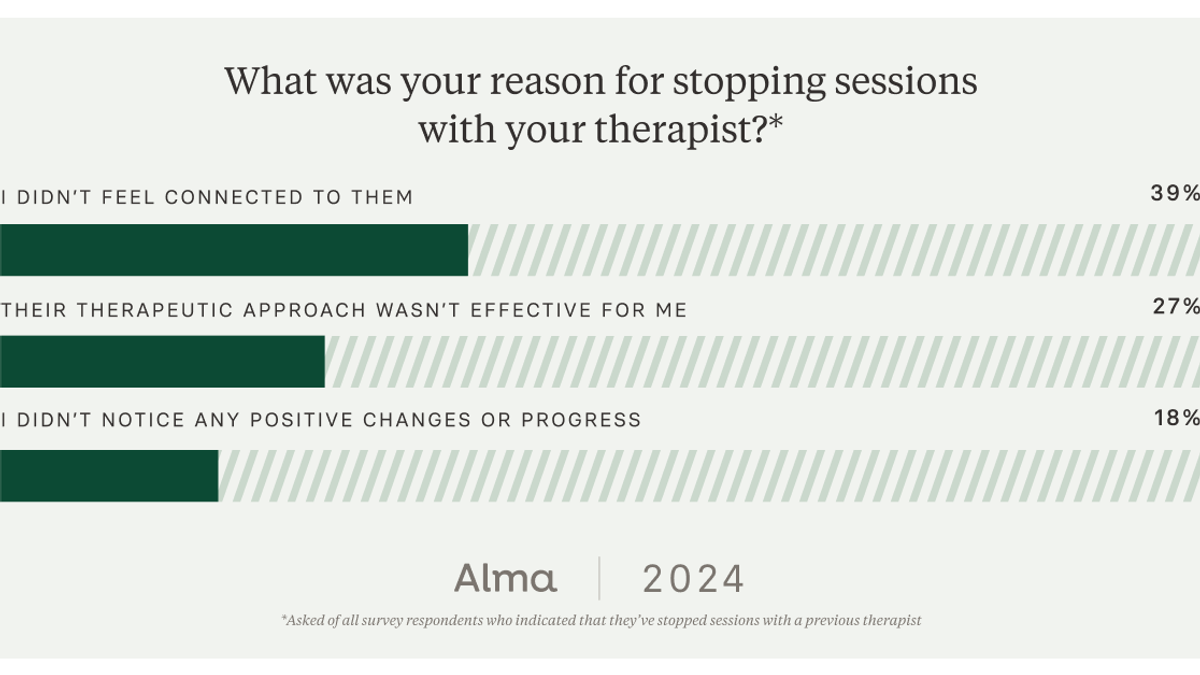
In addition, attempt to be existing, limit diversions, ask questions, and ask your therapist about your goals and progression periodically." Not every therapist is the ideal suitable for every individual, and that's okay. Trick indication consist of: Regularly really feeling worse after sessionsNever talking about objectives or therapy progressFeeling evaluated as opposed to sustained Ask yourself, "Am I being tested in a supportive manner in which brings about growth?".

No 2 treatment trips are the very same. You can make development mentally, mentally, behaviorally, or, for some people, physically. When it's working, therapy can make you really feel lighter or even more confident.

Navigation
Latest Posts
Fostering Emotional Safety With Relationship Work
Starting towards Multicultural Therapy
Professional Standards for Entheogenic Therapy