Table of Contents
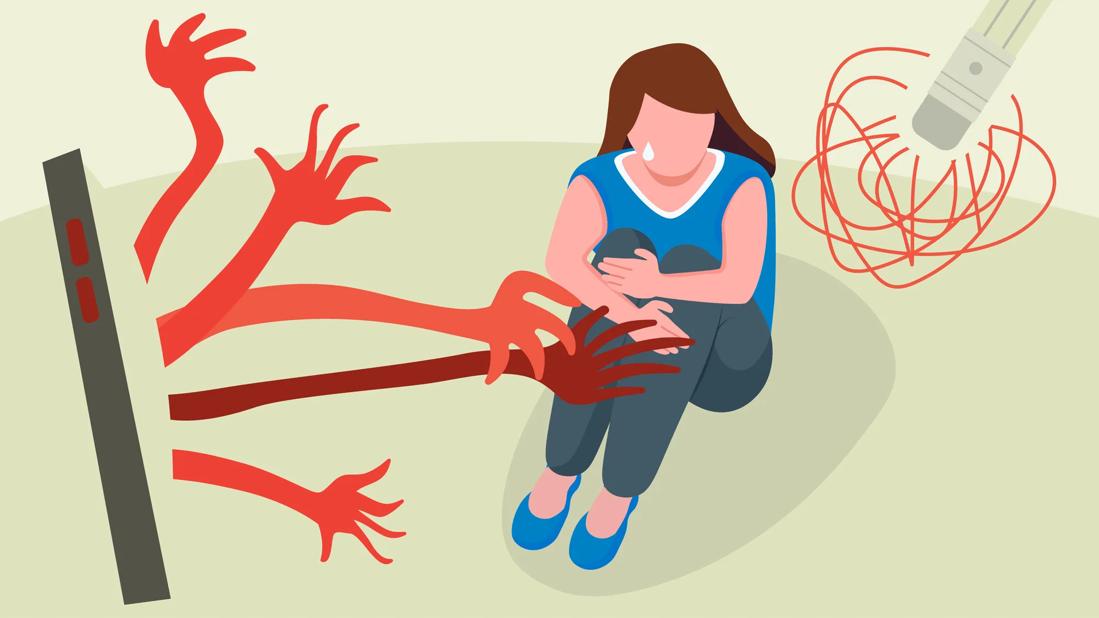
Injury impacts us in numerous means. In the brief term, it can cause emotional reactions such as horror, complication, shock, seclusion, and dissociation, whereas in the long run, it can impact our actions, mental state, and capability to operate. Trauma can also put the body in a state of stress and causes physical symptoms such as an auto racing heartbeat, migraines, nausea or vomiting, digestive system difficulties, bad rest high quality, and a propensity to shock conveniently.
Zackson discusses. This write-up discovers the signs and symptoms, causes, medical diagnosis, and treatment of unsettled trauma. These are some of the usual signs of unsolved trauma, according to Dr. Zackson: Hypervigilance and inability to allow one's guard down Absence of count on and difficulty opening up to various other individuals Dissociation and a consistent sensation of tingling Control problems, to recompense for feeling defenseless during the traumatic case Low self-confidence and feelings of insignificance Anger concerns and problem regulating feelings High blood stress and cortisol degrees Sleep problems, including sleeplessness and nightmares Headaches, nausea or vomiting, sweating, or digestive problems Tightness in the chest or a pit in the stomach Somatic preoccupation (excessive emphasis and extreme distress regarding physical signs) Physical memories that cause physical recalls of the experiences, scent, taste, discomfort, and stress of the stressful experience Psychological health and wellness problems such as stress and anxiety, anxiety, material use condition, or trauma (PTSD) Unresolved trauma is an undetectable health problem.
Dealing with unsolved trauma is necessary, since without therapy and healthy coping abilities, it's most likely that it will never be fully settled. Below, Dr. Zackson outlines the therapeutic process of treating unresolved injury and the various forms of treatment that might be useful. Organized by Amy Morin, LCSW, this episode of The Verywell Mind Podcast, including psychiatrist Dr.
Deficit-Based vs Strengths-Based Paradigm
Click listed below to listen now.: Apple Podcasts/ Spotify/ Google Podcasts/ Amazon Music Treatment for unsolved trauma begins with producing a risk-free and nurturing atmosphere where the survivor feels safe sufficient to process the trauma that has actually been quelched and pressed into the 'black box'. The clinician carefully and securely opens this 'box,' permitting patients to familiarize their experiences.
There is no certain time structure for recovery from unsettled injury. They can look back on their stressful experience and discover that they are more powerful than they ever before imagined.
Locate out which alternative is the ideal for you. Verywell Mind uses only premium resources, including peer-reviewed studies, to support the truths within our articles.
Health Aff (Millwood). 2019; 38( 10 ):1662 -1669. 2019; 49( 6 ):1041 -1046.
Acknowledging Why Neurodivergent Individuals Experience Higher Incidence of Trauma
2016; 49:79 -91. doi:10.1016/ j.cpr. 2016.09.001 Lancel M, van Marle HJF, Van Veen MM, van Schagen AM. Disturbed sleep in PTSD: Believing beyond nightmares. Front Psychiatry. 2021; 12:767760. doi:10.3389/ fpsyt. 2021.767760 Centers for Illness Control and Prevention. Dealing with your emotional health. Cleveland Center. Somatic sign disorder in grownups. Gentsch A, Kuehn E. Clinical manifestations of body memories: The effect of previous physical experiences on psychological health and wellness.
Behaviorally, people might withdraw from social tasks, prevent specific areas or individuals, and reveal decreased motivation or focus. Physical symptoms are also common, such as sleep disturbancesincluding sleeping disorders or nightmaresmuscle tension, headaches, or intestinal problems. These physical responses are part of the body's stress and anxiety reaction to trauma. Cognitively, trauma survivors could establish unfavorable ideas concerning themselves or the globe, such as feeling not worthy or hazardous.
Mood modifications can vary from anger and concern to pity and despair. All these signs are indications that injury has actually affected the individual's mental and psychological well-being. If these signs persist or magnify with time, they may develop right into disorders like Trauma (PTSD). Recognizing these indications early and seeking expert aid can facilitate efficient therapy and assistance recuperation.
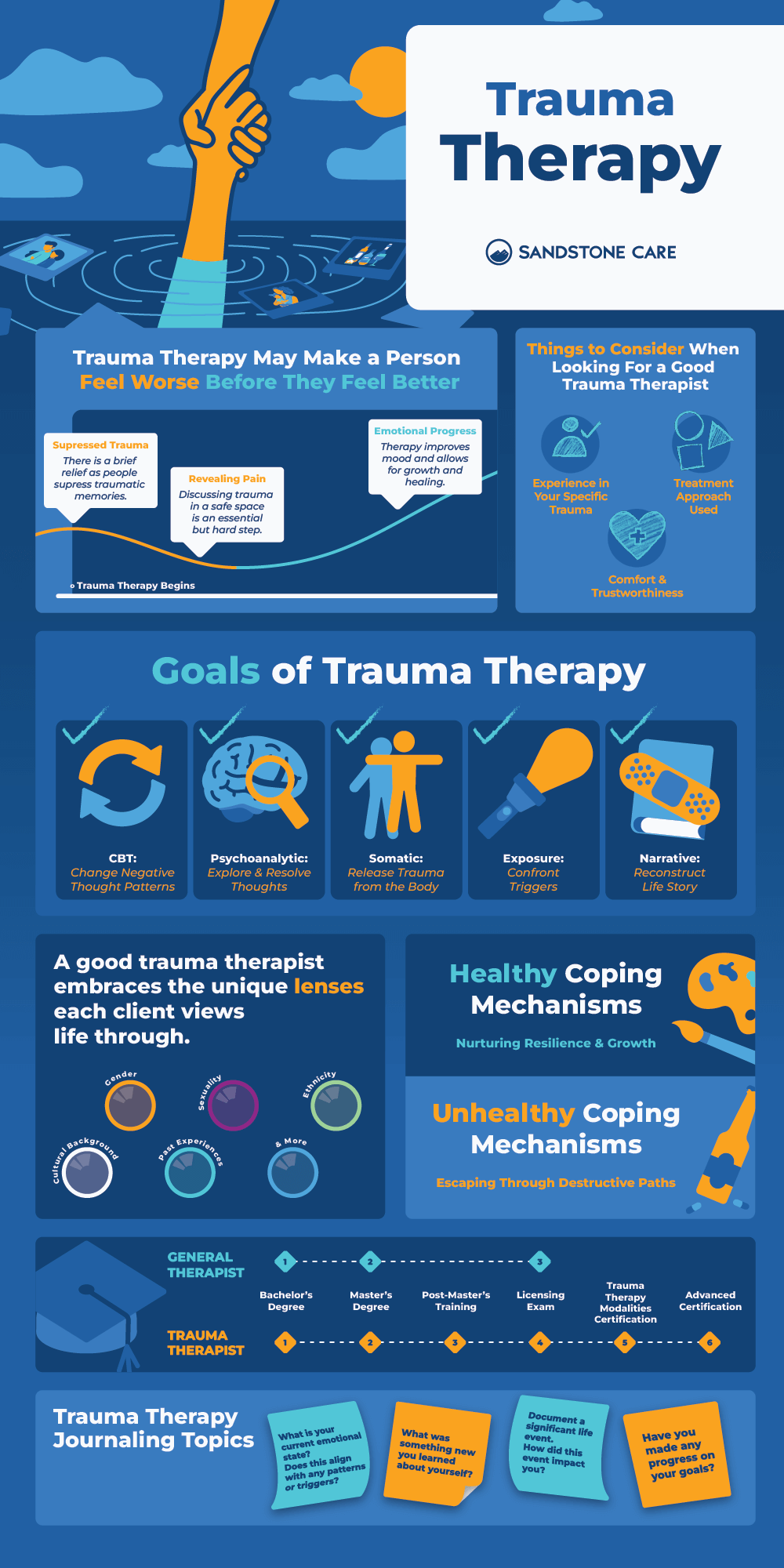
For kids and teenagers, trauma-focused CBT (TF-CBT) is specially adapted to refine distressing memories in a secure and organized means, frequently involving member of the family. Another extremely effective technique is Prolonged Exposure therapy. This approach encourages gradual fight of trauma memories and situations that remember the distressing event. The objective is to lower worry feedbacks and avoidance actions that interfere with day-to-day live.
Chronic Exhaustion and Prevention Strategies
These techniques help individuals reframe adverse ideas, minimize intrusive memories, and take care of psychological responses extra effectively. Resolving trauma's effect on emotional, cognitive, and physical health is vital. Therapy aims to recover a sense of safety and trustboth in oneself and in connections with othersby promoting resilience and individual growth. Component of this recovery procedure is psychoeducation, where individuals discover their responses and develop practical coping abilities.
It's a terrific question, and one worth exploring deeply. While many of us utilize the words "injury" and "stress and anxiety" as if they indicate the very same thing in day-to-day discussion, there's really a lot more to recognize regarding just how injury distinctively affects our mental health and wellness.
Letting Go of Internalized Shame
Think of injury reactions as your mind and body's way of safeguarding you when something occurs that really feels as well large to handle. When we experience something frustrating or deeply upsetting, our mind kicks right into survival mode. You could have become aware of "battle or trip" yet there's also "freeze" and "fawn" (people-pleasing). These aren't simply abstract ideas; they're really actual reactions that can show up as soon as possible or sometimes years later, depending on what you've been with.

Navigation
Latest Posts
Processing Complex PTSD through Evidence-Based Therapy
Initiating the First Step Towards Recovery
Managing Eating Disorders